Subject Knowledge & Response Practice
Improve the clarity and structure of subject-related answers.

TN Academy® provides structured Teaching Interview Preparation in Bahadurgarh for candidates preparing for KVS, NVS, EMRS, DSSSB Teacher and relevant PRT, TGT and PGT interviews.
Teaching interviews may differ according to the recruiting organisation, post, subject, selection process and current official notification. Therefore, preparation should not follow a one-size-fits-all approach.
Our preparation system focuses on practical interview readiness through mock panel interviews, demo teaching practice, lesson planning, subject presentation, communication skills, personality development and performance feedback.
Candidates receive preparation according to their target interview so that organisation-specific expectations and relevant interview requirements can be addressed within one structured teaching interview preparation pathway.
Realistic interview practice with structured feedback and focused improvement.
The Teaching Interview Preparation programme may support candidates preparing for:
Structured interview preparation for Kendriya Vidyalaya recruitment.
Focused preparation for Navodaya Vidyalaya interview process.
Preparation for Eklavya Model Residential School interviews.
Interview guidance for DSSSB PRT, TGT and PGT recruitment.
Preparation for Primary Teacher interview through structured practice and guidance.
Focused preparation for Trained Graduate Teacher interview performance.
Comprehensive interview preparation for Post Graduate Teacher recruitment.
Each interview category will be covered through its own detailed section on this authority page. Separate duplicate interview pages will not be created.
A successful teaching interview may evaluate more than subject knowledge alone. Depending on the recruitment process and post, candidates may need to demonstrate their ability to communicate clearly, explain concepts, handle a panel, present a lesson and respond professionally.
Improve the clarity and structure of subject-related answers.
Practise presenting concepts in a clear and classroom-oriented manner.
Develop an organised approach to lesson delivery and teaching presentation.
Practise responding in a simulated interview environment.
Work on clarity, confidence, professional communication and presentation.
Identify performance gaps and focus on practical improvement.
Interview stages, marks, weightage and selection procedures can vary by organisation, post and recruitment cycle. Current official recruitment information should be verified before publishing time-sensitive details on the website.
Teaching interviews are not identical across every recruiting organisation, post or subject. The interview process, assessment areas and expectations may vary according to the recruitment rules and current official notification.
At TN Academy®, preparation is structured around the candidate’s target organisation, teaching post, subject and interview requirements.
This helps candidates focus on relevant preparation rather than following the same generic interview practice for every teaching recruitment.
Candidates preparing for a Kendriya Vidyalaya Sangathan (KVS) teaching interview may require a combination of subject knowledge, teaching methodology, communication skills and professional interview readiness.
Improve clarity, accuracy and confidence while answering subject-based interview questions.
Develop practical teaching approaches suitable for modern classroom expectations.
Prepare for classroom management and real teaching scenarios.
Practice concept explanation with structured classroom presentation.
Strengthen confidence, communication skills and interview presentation.
Receive personalised observations and practical improvement guidance.
For Navodaya Vidyalaya Samiti (NVS) teaching interviews, candidates may need to demonstrate subject understanding, teaching ability, communication and readiness for the responsibilities associated with the relevant teaching post.
Candidates targeting Eklavya Model Residential Schools (EMRS) teaching opportunities should prepare according to the requirements of the relevant post and recruitment cycle.
For DSSSB teaching recruitments where an interview or other relevant assessment stage is applicable, preparation should follow the current recruitment rules for the specific post.
A Primary Teacher (PRT) interview may require candidates to demonstrate the ability to communicate concepts clearly and appropriately for younger learners.
Trained Graduate Teacher (TGT) interview preparation should be aligned with the candidate’s subject and the requirements of the recruiting organisation.
For Post Graduate Teacher (PGT) interviews, preparation may require deeper subject-oriented discussion along with teaching and professional communication skills.
TN Academy® follows a common preparation framework while adapting practice to the candidate’s target interview.
Interview stages, marks, weightage, eligibility and selection procedures may change according to the organisation, post and recruitment cycle. Candidates should always refer to the applicable official notification for current recruitment rules. TN Academy® website content should avoid fixed marks or selection-stage claims unless they are verified against the relevant current official information.
Demo teaching can be an important part of a teaching interview or selection process, depending on the recruiting organisation, post and current selection criteria. It allows candidates to demonstrate how effectively they can explain a topic, organise ideas, communicate with learners and present subject knowledge in a classroom-oriented manner.
At TN Academy®, demo teaching preparation focuses on practical presentation rather than memorised delivery.
Candidates practise selecting and introducing a topic, explaining concepts in a logical sequence, using appropriate examples and concluding the lesson effectively.
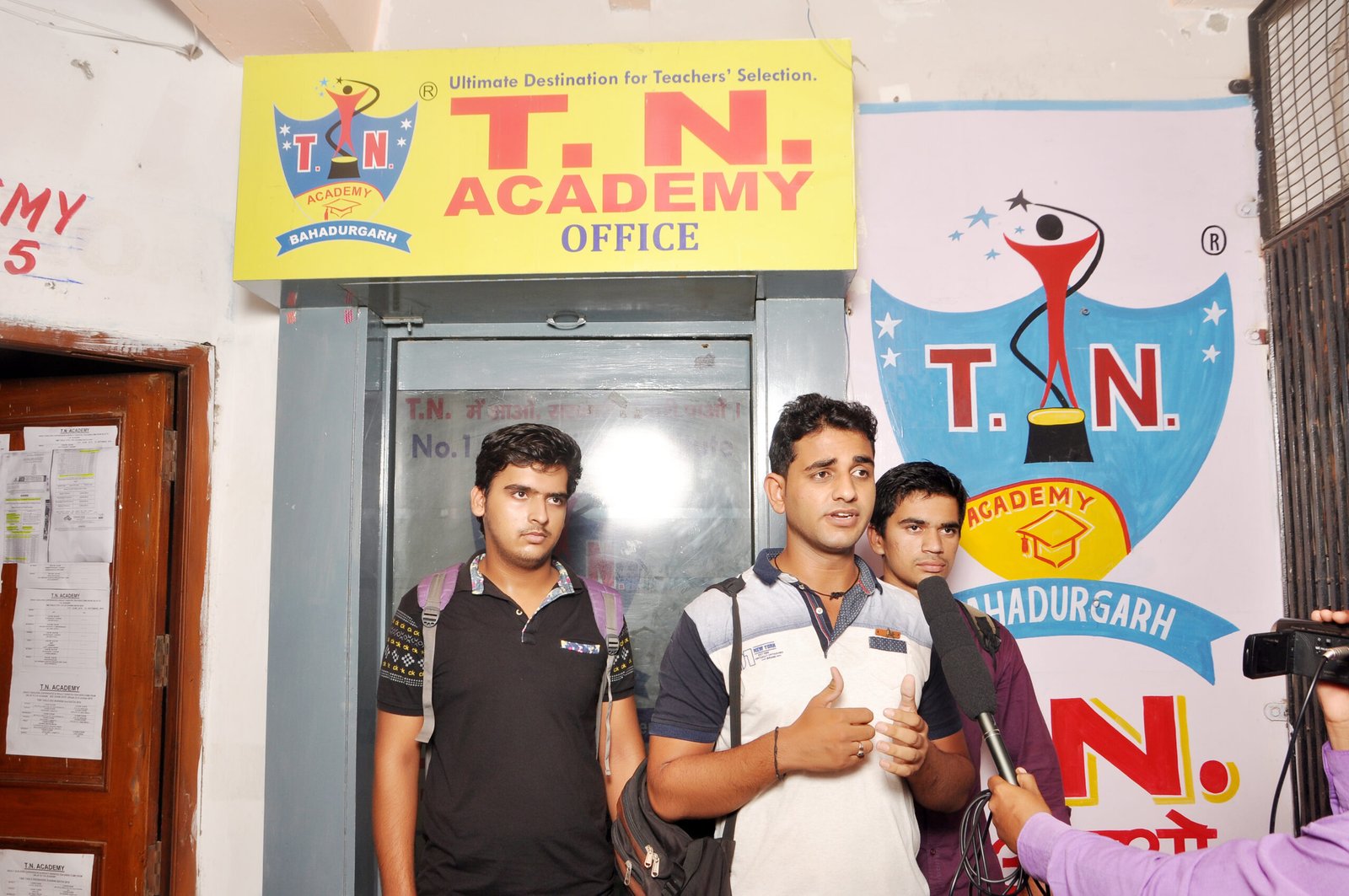
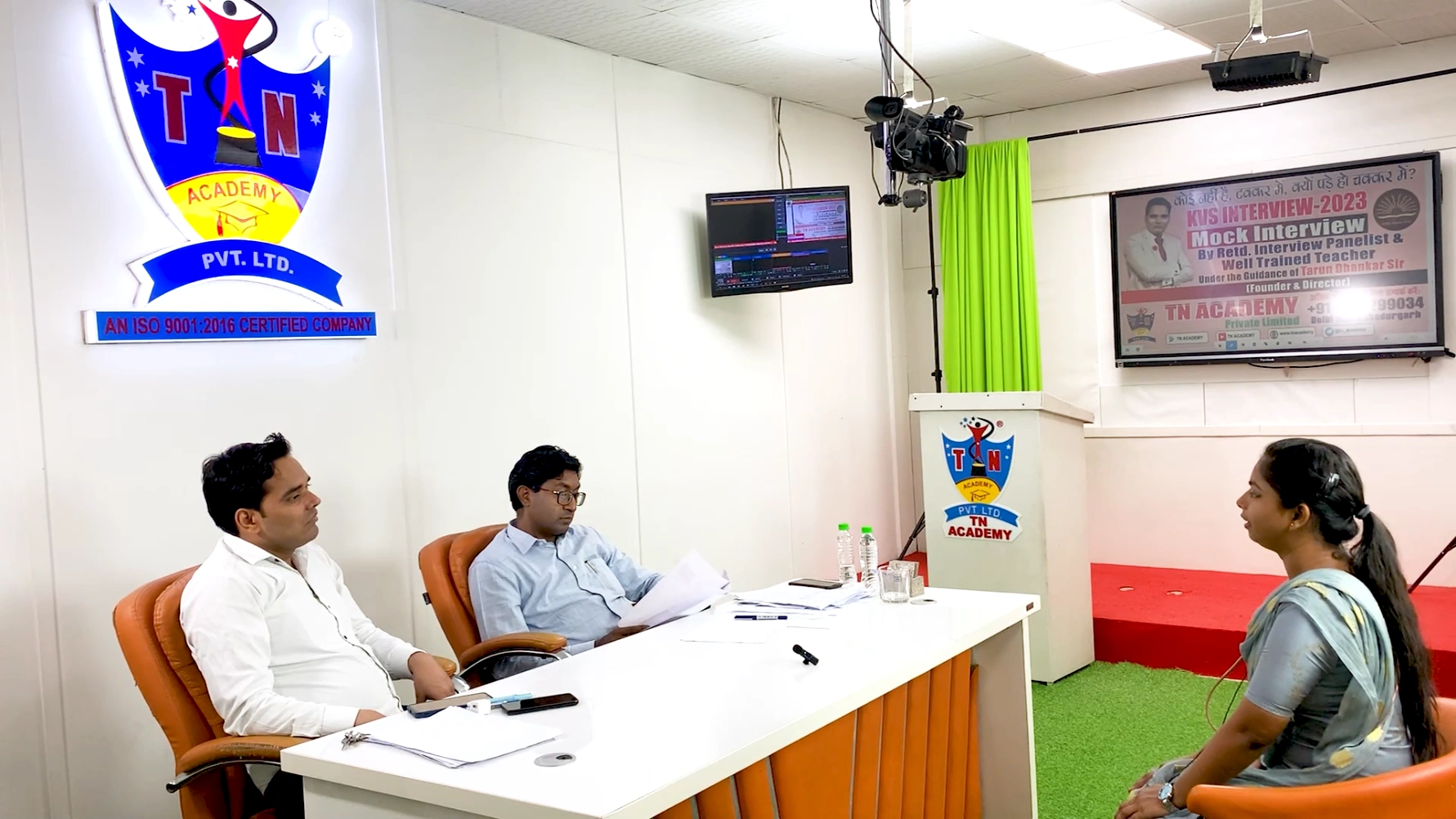
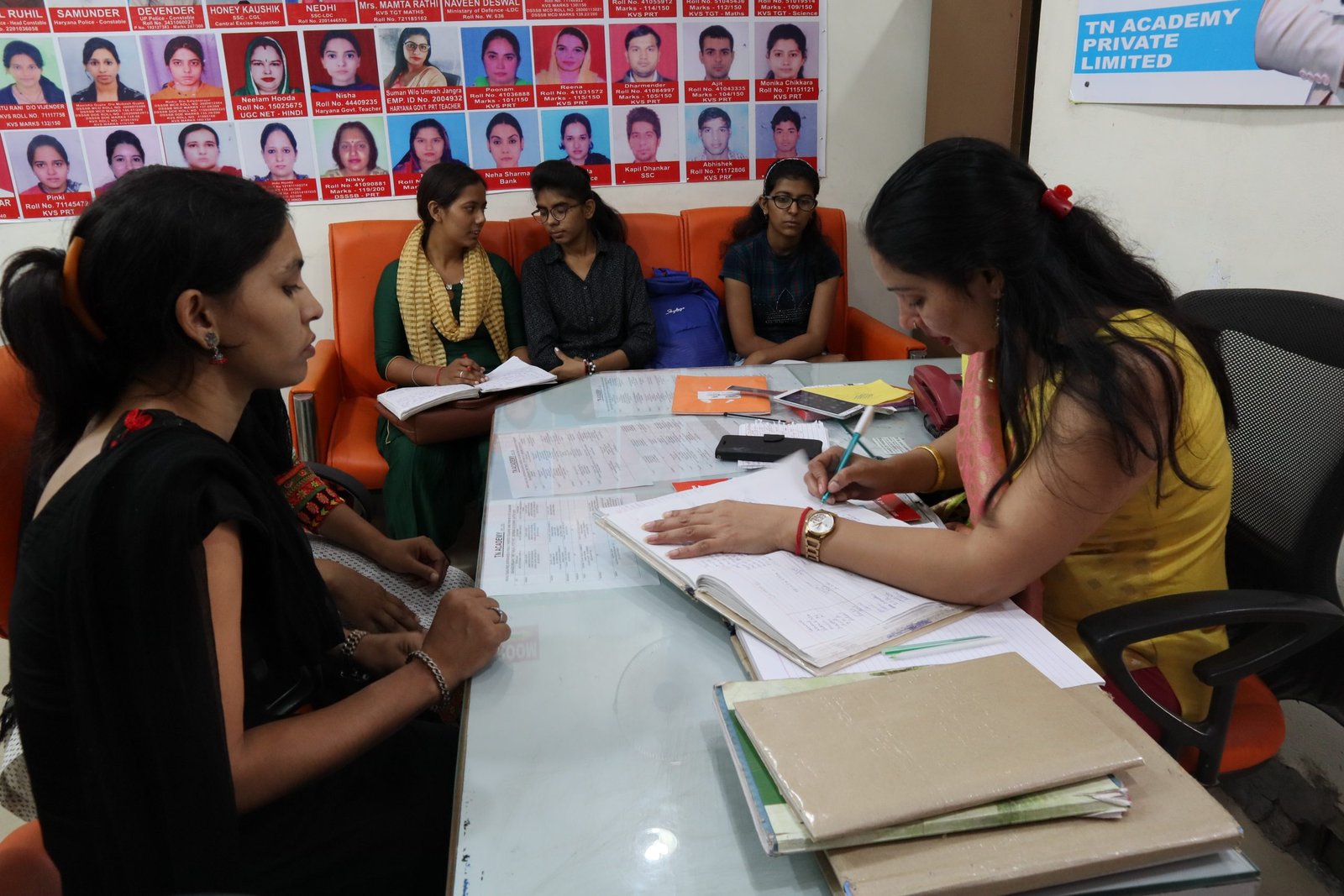
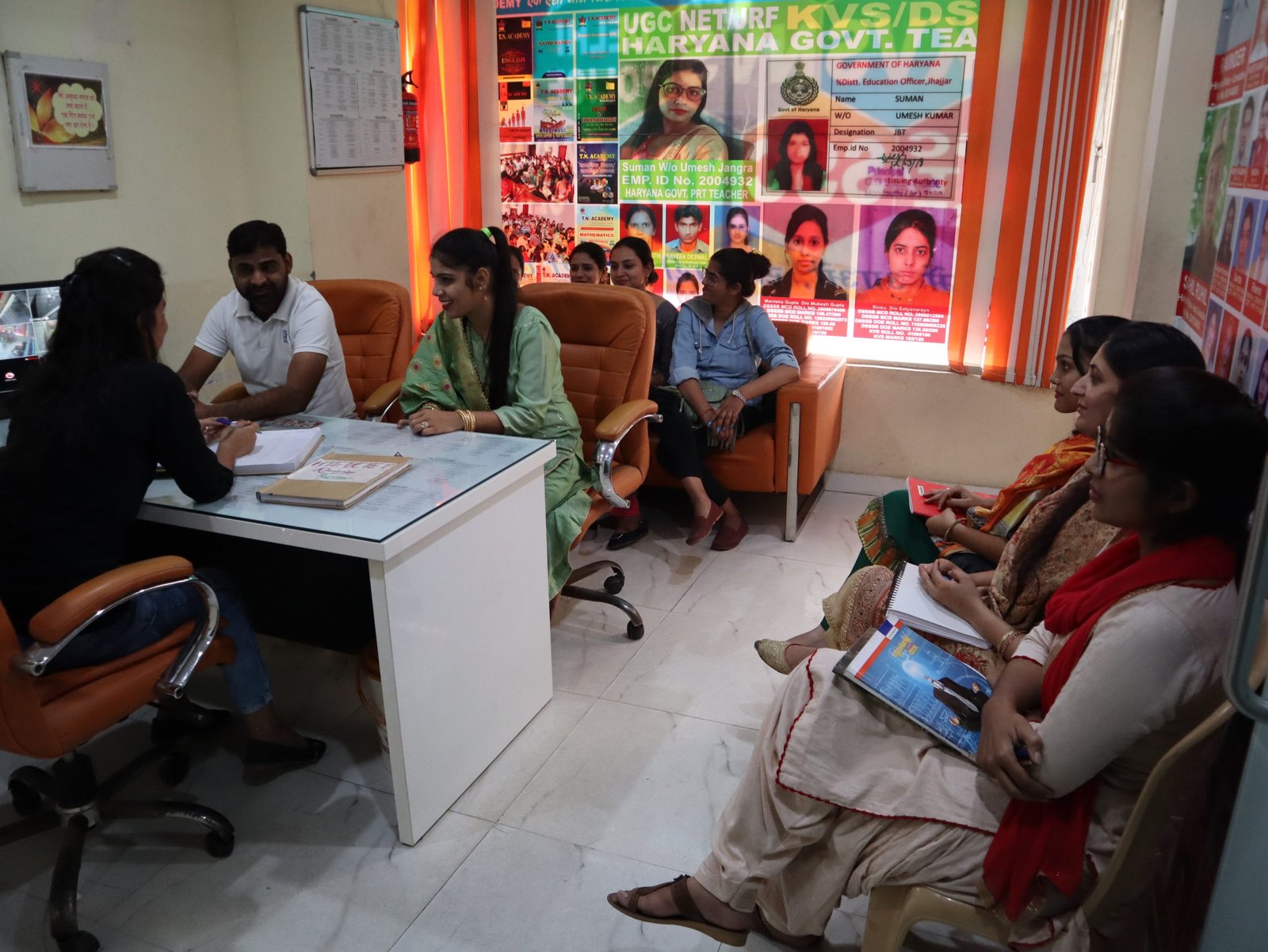
A well-structured lesson plan helps a candidate present a topic with clarity and purpose. Preparation should consider the subject, class level, learning objective, available time and expected teaching outcome.
Define what students should understand or learn from the lesson.
Connect the topic with relevant prior knowledge and introduce it naturally.
Explain the main concept in a clear, logical and age-appropriate sequence.
Use relevant examples, questions or teaching aids where appropriate.
Include suitable questions or methods to check whether the concept has been understood.
Summarise the key learning points and close the lesson effectively.
Teaching interviews may assess not only what a candidate knows but also how effectively that knowledge is communicated. Classroom presentation practice focuses on creating a professional and learner-oriented delivery style.
communicate naturally and professionally rather than deliver a memorised script.
Where board work is relevant to the demo or interview process, candidates should be able to use the board in an organised and readable manner.
Clear and readable writing
Proper heading and topic structure
Logical arrangement of information
Correct use of diagrams, formulas or key points where relevant
Avoiding unnecessary board clutter
Maintaining communication while using the board
Managing available presentation time
Good board presentation should support the explanation rather than distract from it.
Strong subject knowledge becomes more effective when a candidate can explain it clearly to the intended learner level. Subject presentation practice therefore focuses on both accuracy and explanation ability.
Explaining fundamental concepts
Answering subject-specific questions
Presenting complex ideas in a simpler form
Using relevant examples
Connecting theory with practical or classroom situations
Responding to follow-up questions
Handling a question professionally when clarification is required
Preparation should be aligned with the candidate’s subject, post and target organisation.
Interview panels may explore how a candidate approaches teaching and learning. Candidates should be prepared to explain their teaching approach according to the subject, learner level and classroom situation.
Learner-centred teaching
Concept-based explanation
Activity-based learning where appropriate
Differentiated support for learners
Questioning and interaction
Assessment of student understanding
Use of suitable teaching resources
Classroom management approach
Inclusive and professional teaching practices
Candidates should understand the reasoning behind their teaching approach instead of relying only on memorised terminology.
Teaching interviews may include situational questions to understand how a candidate would respond to practical classroom challenges.
A student is unable to understand a concept
Students have different learning levels
A class becomes distracted or disengaged
A student repeatedly asks questions
A planned activity does not work as expected
Limited time is available to complete a lesson
A parent or colleague raises an academic concern
Technology or a teaching resource becomes unavailable
developing balanced, professional and student-oriented responses rather than memorising one fixed answer.
Improvement in teaching presentation requires repeated practice. Candidates may go through a structured practice cycle:
Short topic presentations
Full demo teaching practice
Subject-specific explanation
Board work
Classroom situations
Question handling
Time-bound presentations
Repeated improvement sessions
After practice, feedback should identify specific areas for improvement rather than provide only general comments.
Content accuracy
Explanation clarity
Teaching structure
Communication
Confidence
Body language
Board presentation
Time management
Question handling
Overall professional presentation
recognise performance gaps and improve through focused practice.
A teaching interview can require more than answering questions. Candidates may need to demonstrate how they think, communicate, explain and respond in a professional teaching environment.
TN Academy® combines demo teaching practice, lesson planning, subject presentation, classroom situations and feedback-based improvement within a structured Teaching Interview Preparation pathway.
Mock interviews help candidates practise responding in an interview-like environment before facing the actual selection panel. The purpose is not to memorise fixed answers, but to improve response structure, subject communication, professional presentation and the ability to handle different types of questions.
At TN Academy®, mock interview preparation may be aligned with the candidate’s target organisation, teaching post, subject and relevant selection requirements.
Personal Introduction
Academic Background Questions
Teaching Experience Questions
Subject-Specific Questions
Teaching Methodology Questions
Classroom Situation Questions
Organisation-Specific Questions
Follow-Up and Cross-Questions
Professional Communication
Performance Feedback
Facing multiple interviewers can require candidates to listen carefully, understand the question and respond calmly while maintaining professional interaction with the complete panel.
Entering and greeting professionally
Listening to the complete question
Structuring answers clearly
Maintaining appropriate eye contact
Interacting with multiple panel members
Handling interruptions and follow-up questions
Responding when the answer is not immediately known
Maintaining composure throughout the interview
Closing the interaction professionally
The objective is to develop a natural and professional interview approach rather than a rehearsed performance.
Teaching interview questions can vary according to the organisation, post, subject, candidate profile and recruitment cycle. Preparation should therefore cover different question categories instead of relying on a fixed question list.
Questions related to education, qualifications, experience, achievements and career choices.
Questions about teaching methods, lesson delivery, student engagement and assessment.
Questions designed to evaluate subject understanding and explanation ability.
Practical scenarios involving students, classrooms, colleagues or professional responsibilities.
Relevant questions about the target organisation, role and expected responsibilities.
For PRT, TGT, PGT and other teaching posts, subject-related questions may form an important part of the interview process depending on the recruitment requirements.
Core subject concepts
Conceptual questions
Application-based questions
Topic explanation
Follow-up questions
Common misconceptions
Teaching a difficult concept
Connecting subject knowledge with classroom delivery
The personal introduction often creates an early impression and may lead to further profile-based questions. Candidates should be able to introduce themselves clearly without sounding artificial or over-rehearsed.
Educational background
Relevant qualifications
Teaching experience, where applicable
Subject specialisation
Professional strengths
Relevant achievements
Motivation for the teaching role
Career objectives
Every introduction should remain truthful and consistent with the candidate’s actual profile and submitted documents.
Situational questions may assess how candidates think and respond to practical professional challenges.
Different student learning levels
Classroom discipline
Low student participation
Academic difficulties
Parent communication
Teamwork with colleagues
Time management
Professional responsibility
Ethical decision-making
Unexpected classroom challenges
Panel handling involves more than answering questions correctly. Candidates should also demonstrate attentive listening, professional behaviour and appropriate communication.
Listening before answering
Avoiding unnecessary interruption
Giving relevant and concise responses
Asking for clarification when genuinely required
Handling disagreement respectfully
Avoiding unsupported or fabricated answers
Remaining composed after a difficult question
Maintaining professional behaviour throughout the interaction
Non-verbal communication can influence how a candidate’s confidence and professionalism are perceived.
Practice may focus on:Professional posture
Natural eye contact
Appropriate facial expressions
Controlled gestures
Attentive listening
Calm entry and exit
Professional sitting position
Avoiding distracting movements
The objective is natural professional behaviour, not forced or artificial body language.
Effective communication requires clarity, relevance and the ability to explain ideas according to the question being asked.
Clear sentence formation
Appropriate speaking pace
Structured responses
Relevant vocabulary
Concise answers
Explanation ability
Active listening
Professional tone
Language confidence according to interview requirements
Interview confidence generally improves when candidates understand the process and practise under realistic conditions.
